
Medicines matter: are your participants being left out?
Empowering participants, reducing risk: why medicines workshops should be part of every disability provider’s medication safety strategy.
Medication safety is often viewed as a workforce issue. Yet one of the most underutilised risk-reduction strategies in disability services is helping participants understand their own medicines.
Research and regulatory guidance consistently highlight that medicine-related harm remains a significant challenge across Australia. People with disability may face additional barriers to understanding medicines, including complex medication regimens, communication challenges, limited access to tailored information, and dependence on others for support. The Pharmaceutical Society of Australia has identified multiple barriers to safe medicine use highlighting the importance of improving understanding of medicines and consumer empowerment. [psa.org.au]
For disability service providers, this creates both a participant wellbeing challenge and an organisational governance issue. When participants do not understand why they take medicines, how to take them safely, or what side effects to watch for, the risk of medication errors, poor adherence, adverse events, and avoidable incidents increases.
The solution is not simply more policies or compliance checks. It is building participant capability.
Why understanding medicines matters in disability services
For many NDIS participants, medicines play a critical role in managing health conditions, supporting daily functioning, and improving quality of life. However, understanding medicines can be difficult, particularly when information is highly technical or delivered in ways that are not accessible.
The NDIS Practice Standards emphasise participant rights, choice, control, and safe support delivery. Providers are expected to work with participants in ways that recognise their preferences, support informed decision-making, and manage health-related risks effectively. [ndiscommis...ion.gov.au]
When participants have a better understanding of their medicines, they are more likely to:
recognise the purpose of their medicines.
take their medicines correctly and consistently.
identify concerns or side effects earlier.
communicate effectively with healthcare professionals.
participate in decisions about their own health care.
develop the skills and confidence to manage medicines more independently
These outcomes align directly with person-centred practice and participant capacity-building goals.
Beyond compliance: a practical approach to capacity building
At MedicinesEd, participant education is viewed as a practical capability-building strategy rather than a compliance exercise.
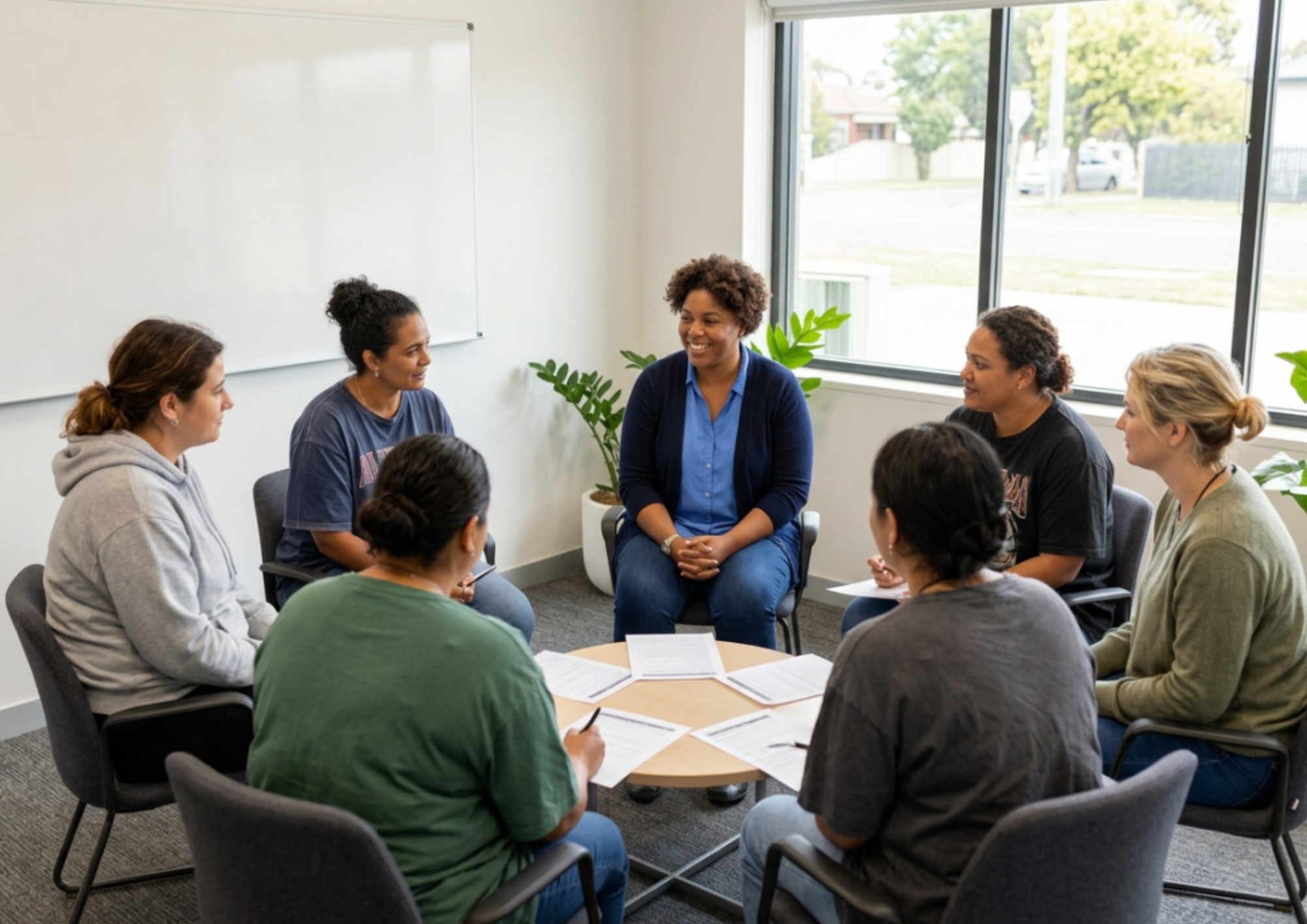
The organisation's pharmacist-led workshops are designed to help people with disability better understand their medicines, build confidence, and make informed decisions about their health. Education focuses on real-world situations and practical skills, using plain language and interactive learning approaches tailored to individual needs.
Topics commonly explored include:
What medicines do and why they are prescribed.
How to take medicines safely.
Building routines to remember doses.
Reading labels and understanding instructions.
Monitoring benefits and side effects.
Asking questions during healthcare appointments.
Finding trustworthy medicine information.
Knowing when and where to seek help.
Importantly, these workshops focus on empowering participants rather than creating dependence on support workers or carers.
The organisational benefits of participant education
Improving participants’ understanding of medicines is not only beneficial for individuals, it can also strengthen service quality and reduce organisational risk.
Improved medication safety
Participants who understand their medicines are often better able to identify discrepancies, missed doses, unexpected effects, or changes in their health status. This creates an additional layer of protection within medication management systems and supports incident prevention.
Stronger communication
Medication-related misunderstandings can occur during transitions between support providers, healthcare providers, families and support workers.
When participants understand their medicines, communication becomes more effective and collaborative. Questions are asked earlier, concerns are escalated sooner, and important information is less likely to be overlooked.
Greater participant independence
Building understanding of medicines supports participant autonomy and aligns with NDIS principles of choice and control. Rather than having decisions made for them, participants are better positioned to contribute to discussions about their treatment and support needs. [ndiscommis...ion.gov.au]
Reduced organisational risk
Medication incidents can have significant operational, reputational, and compliance consequences.
By strengthening participant understanding alongside workforce capability, providers create a more resilient medication safety culture that reduces the likelihood of preventable errors and supports continuous improvement.

Four practical strategies for disability service leaders
1. Make understanding medicines part of capacity building plans
Participant education should sit alongside other skill-development initiatives rather than being treated as a separate health activity.
Why it matters: Understanding medicines supports informed decision-making and self-determination.
Risk reduction: Participants are more likely to recognise potential medication issues before harm occurs.
Benefits: Improved confidence, increased engagement, and stronger outcomes.
2. Use pharmacist-led education
Medicines are complex, and misinformation is common.
Pharmacist-led education ensures participants receive accurate, evidence-based information that is tailored to their individual circumstances and delivered in understandable language. MedicinesEd's independent pharmacist-led approach is specifically designed to improve the understanding of medicines and support safe medicines use.
Benefits for staff: Consistent, reliable information that complements workforce training.
Benefits for organisations: Reduced reliance on informal or inconsistent education practices.
3. Combine participant education with workforce development
The strongest medication safety outcomes occur when participants and staff develop capability together.
Support workers require confidence in medication administration, documentation, and communication. Participants need confidence in understanding and discussing their medicines. MedicinesEd's model combines both workforce capability development and participant education to strengthen safe medicines use across services.
Why it matters: Shared understanding creates safer support environments.
Benefits: Improved communication, reduced confusion, and more person-centred support.
4. Focus on real-world learning
Information alone rarely changes behaviour.
Scenario-based workshops, practical activities, and discussions about everyday challenges help participants translate knowledge into action. This approach also assists staff in applying policy requirements in real situations rather than relying solely on theoretical knowledge.
Benefits for participants: Increased confidence and practical problem-solving skills.
Benefits for organisations: More sustainable improvements in medication safety practices.
Creating a culture of safe medicines use
Strong medication governance is about more than procedures, audits, and compliance obligations.
The most effective disability services build cultures where participants, support workers, families, and leaders all contribute to safer medicines use.
When participants understand their medicines, they become active partners in their own support. When staff have access to practical, pharmacist-led education, they are better equipped to deliver safe and effective support. Together, these capability-building strategies strengthen participant outcomes, reduce medication-related risk, and support alignment with the NDIS Practice Standards.
The leadership opportunity
Disability service leaders have a critical role in shaping how medicines are understood and managed within their organisations.
Review your current approach to participant understanding of medicines, workforce capability, and medication safety education. Consider whether participants are being supported not only to receive medicines safely, but also to understand them.
By investing in practical, participant-centred medicines education, providers can strengthen safety, support autonomy, and build a more confident and capable service environment.
To learn more about workforce training, medicines education initiatives, and participant capacity-building supports, contact MedicinesEd to discuss how pharmacist-led education can help strengthen safe medicines use across your service.
info@medicinesed.com.au
0406 730 656
www.medicinesed.com.au