
Designing PHN health literacy programs that actually work
For Primary Health Networks (PHNs), commissioning health literacy initiatives is a core mechanism for strengthening community-based care, supporting consumer self-management, and achieving equitable health access. Yet, many project managers share a common frustration: too many health literacy programs look great on paper but fail to translate into real-world behavioural changes on the ground.
When programs rely on dense medical leaflets or dry, academic slide decks, vulnerable populations often leave feeling overwhelmed rather than empowered. To build healthier, more resilient communities, PHNs must shift toward evidence-based health literacy models that actively bridge the gap between clinical knowledge and everyday habits.
Whether a program is delivered directly by an education partner or implemented regionally via local workforces, successful community health literacy hinges on three foundational factors.
1. Translating Jargon into Simple, Everyday Language
Health literacy is not about teaching clinical pharmacology; it is about building practical consumer confidence. Adult learning principles dictate that information must be broken down into plain language to be effective.
Rather than relying on theory, successful programs deliver practical, immediate value by focusing on:
Regimen Navigation: Giving consumers the tools to correctly interpret pharmacy labels and safely manage medication schedules.
Health Literacy: Teaching individuals exactly what to know about medicines and how to source and verify trustworthy information.
Consumer Empowerment: Building the communication skills and confidence necessary to ask better questions and feel genuinely heard during primary care appointments.
Translating complex medical jargon into relatable, real-world examples lowers patient anxiety, boosts medication compliance, and fosters genuine confidence within the community.
2. Co-Design, Flexibility, and Culturally Safe Formats
A top-down, ‘one-size-fits-all’ presentation rarely triggers sustained behavioural change. The most effective health literacy interventions are flexible and shaped through co-design alongside the target communities and local providers so that they reflect local priorities.
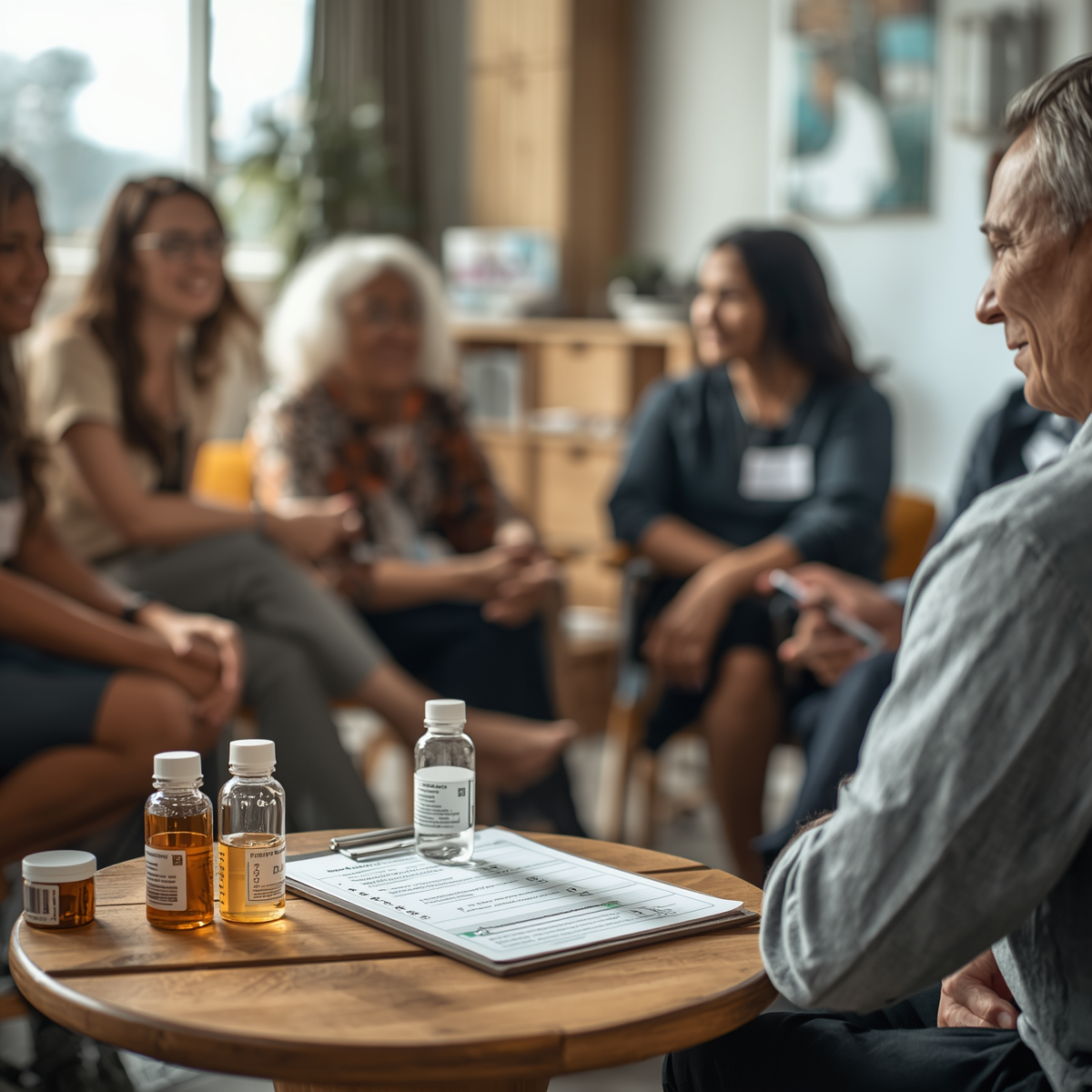
Aboriginal and Torres Strait Islander Health: For First Nations communities, this means moving away from rigid classroom layouts and supporting culturally safe conversations delivered through an informal ‘yarning-circle’ approach. This format allows participants to unpack medicine safety in a respectful environment, building confidence and strengthening self-management skills for conditions like diabetes and heart health.
Chronic Disease Management: Programs must empower people to use medicines safely and confidently when managing chronic diseases like diabetes, cardiovascular health, and pain. This helps to actively prevent complications and avoid unnecessary hospital admissions.
Healthy Ageing & Mental Health: Effective interventions provide practical support that promotes independence for older adults at home, while also empowering individuals using mental health medicines to recognise early changes, understand when to seek help, and avoid setbacks.
3. Built-In Evaluation and Framework Accountability
A truly effective program does not just deliver information; it builds in evaluation mechanisms to prove that real behavioural change has occurred. PHNs require qualitative and quantitative evidence that a health promotion intervention has made a tangible regional impact.
Utilising structured, immediate feedback loops, such as post-workshop participant surveys, allows contract managers to track clear, verifiable shifts in health literacy metrics. By assessing baseline community knowledge against post-session capability, these evaluation frameworks capture critical behavioural indicators, including a participant's improved capacity to interpret pharmacy labels, their confidence in sourcing trusted health resources, and their increased likelihood to actively ask questions during GP visits.
Integrating this robust level of review into the delivery model ensures PHN managers can confidently report to funding bodies on regional capability lift, verified self-management improvements, and a clear return on health promotion investments.
Case Study: Real Impact in Western New South Wales
MedicinesEd recently conducted a series of community health literacy workshops with the Western New South Wales Primary Health Network (WNSWPHN). By bypassing dry theory and focusing purely on practical, jargon-free skills, the program achieved clear, quantifiable lifts in regional health literacy capability:
Understanding the pharmacy label:81% improvement in attendee confidence.
Asking health professionals about medicines:79% improvement in attendee confidence.
Sourcing trusted resources:82% improvement in confidence regarding where to find reliable information.
Practical comprehension: The ability to correctly interpret a pharmacy label increased by 36%.
Safety preparedness:95% of participants maintained an up-to-date medicines list.
The Bottom Line for PHN Managers
When evaluating health promotion strategies, look beyond the volume of materials distributed. The true metric of a health literacy program that works is an immediate, measurable impact on consumer confidence and behaviour.
Furthermore, a program should offer long-term scalability and sustainability. Look for delivery pathways that provide both immediate direct workshops and structured ‘train-the-trainer’ capability models. Equipping local pharmacists with fully developed workshops, speaker notes, and delivery guides builds long-term local workforce capability, ensuring high-quality delivery of key PHN health messages continues long after the initial rollout.
Ready to commission a medicine safety program that delivers practical, scalable results for your priority populations? MedicinesEd partners with PHNs to create and deliver clear, practical health education designed with communities, for communities.
[Book an introductory call with the MedicinesEd team today] to discuss your next regional project.